Surface Laptop Ultra, Dev Box and RTX Spark PCs: prices, dates and what Microsoft's local-AI claims rest on
Surface Laptop Ultra ships October 16 from $2,599.99 and the Dev Box from $5,999.99. What Microsoft's 120B-model and MacBook claims rest on.
In this article
- What are the new Surface devices, and what do they cost?
- What is the Surface Laptop Ultra?
- What is the Surface RTX Spark Dev Box?
- Which other RTX Spark PCs are coming, and when?
- What do the local-AI claims rest on?
- What is “hybrid intelligence” in practice?
- What about the Surface Pro 12-inch and Surface Laptop 13-inch?
- What to keep in mind
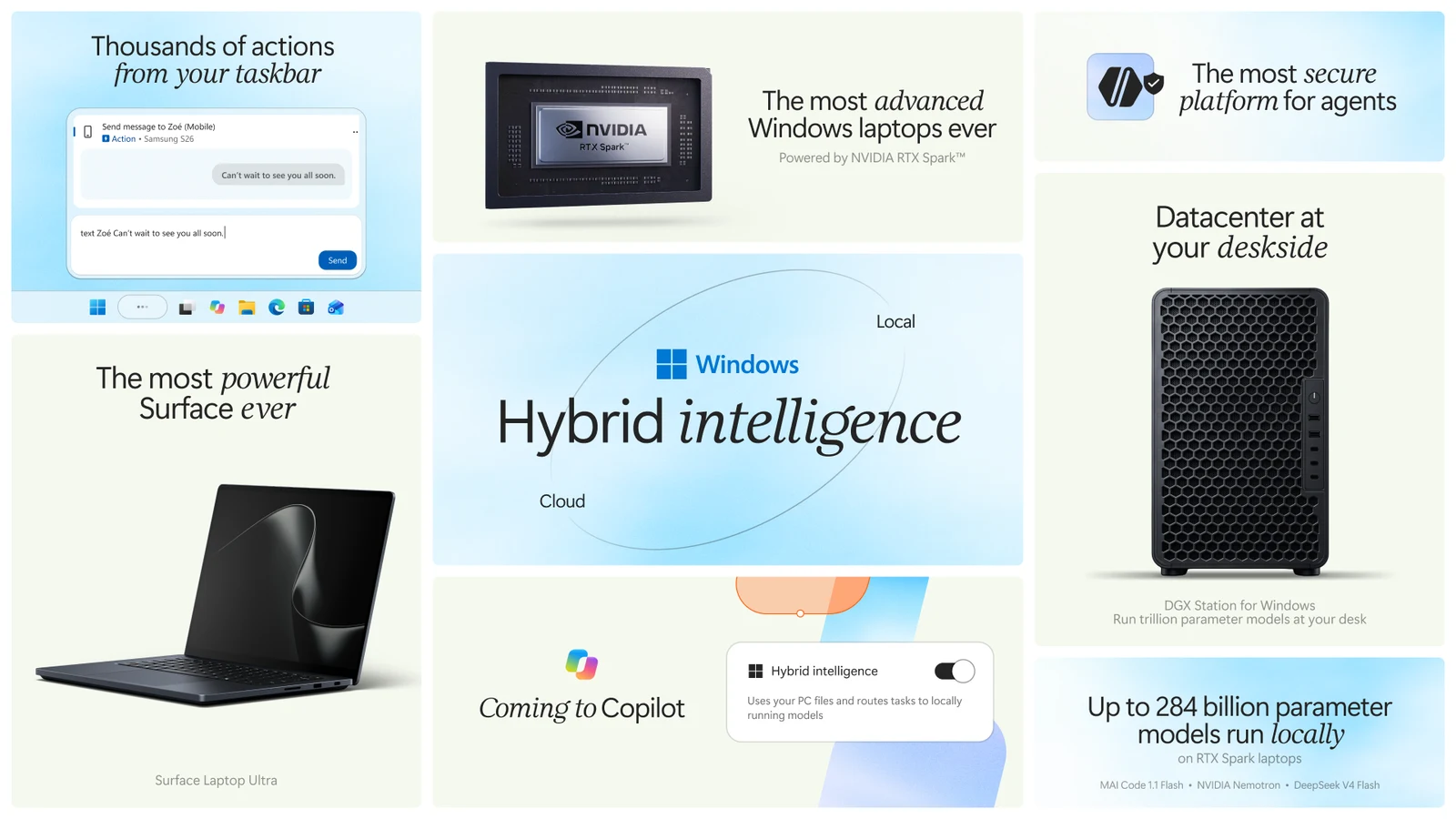
Microsoft’s new Surface hardware comes in two waves, and the one that matters most for local AI ships on October 16. At a Windows and Surface event in San Francisco on October 7, Microsoft opened pre-orders for the Surface Laptop Ultra, built on NVIDIA’s RTX Spark, and for a Surface RTX Spark Dev Box, alongside RTX Spark laptops from ASUS, Dell, HP, Lenovo and MSI. Two weeks earlier, on September 23, it had introduced a refreshed Surface Pro 12-inch and Surface Laptop 13-inch on Qualcomm’s Snapdragon X2 Plus. We read the Surface pages, Microsoft’s blog posts and NVIDIA’s account of the event, and checked prices against Microsoft’s own pages. We have not handled or tested any of the devices, so every performance figure below is Microsoft’s or NVIDIA’s.
What are the new Surface devices, and what do they cost?
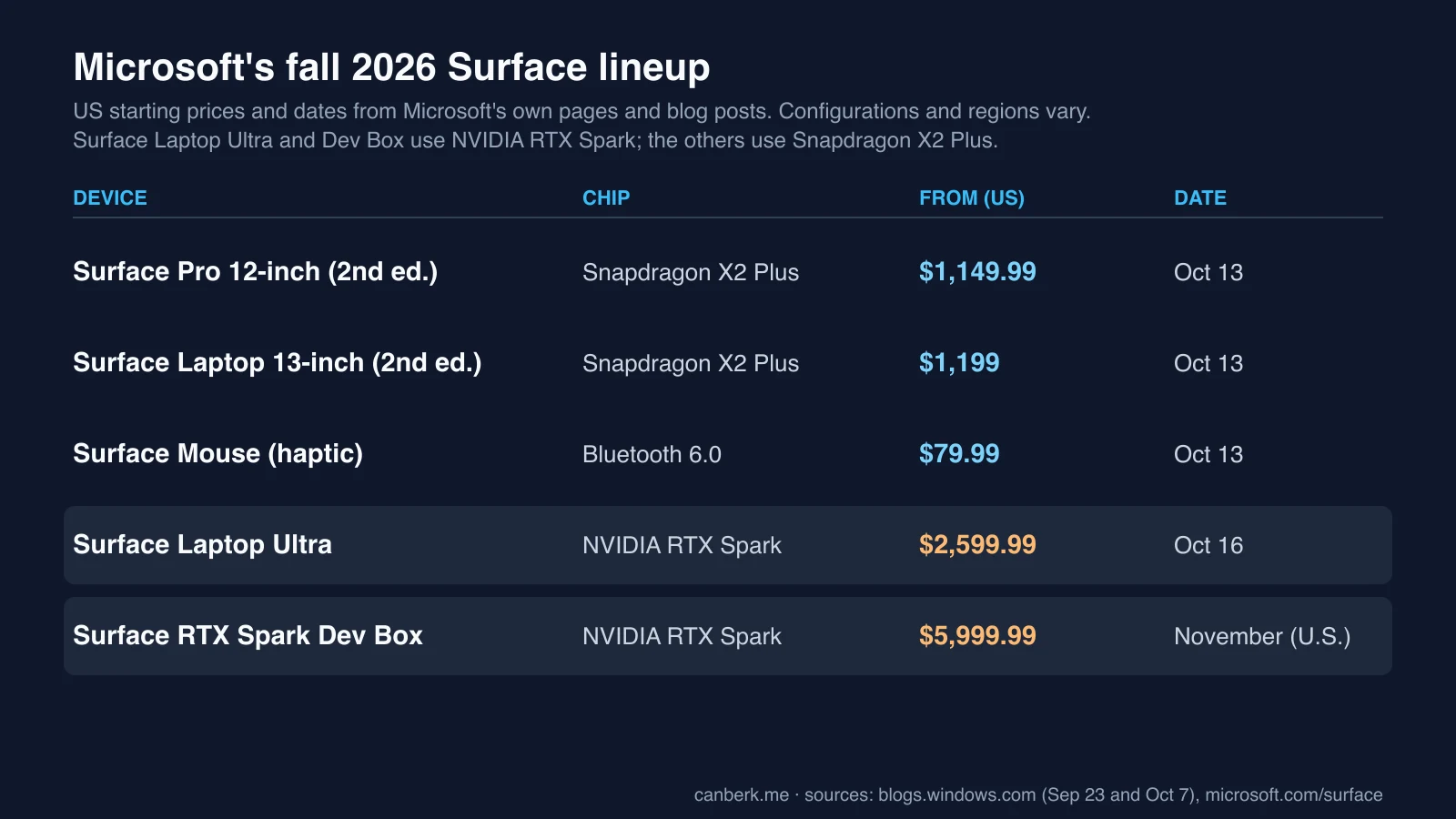
Prices are US starting prices from Microsoft’s pages. The Surface Laptop Ultra starts at $2,599.99, and Microsoft’s own post says it is available from October 16. Windows Central lists configurations: a base model with an 18-core N1X CPU, a 5,120-core GPU, 24 GB of unified memory and 512 GB of storage at $2,599; a 20-core, 6,144-core GPU model with 32 GB and 1 TB at $3,699.99; and a top configuration with 128 GB and 1 TB at $5,899.99. That configuration list comes from Windows Central, not from the Microsoft page we read, which gives only the starting price and says memory and storage vary by configuration. Microsoft is also offering up to $1,000 cash back for qualifying trade-ins in the U.S. and Canada between October 7 and November 23, with amounts varying by device.
What is the Surface Laptop Ultra?
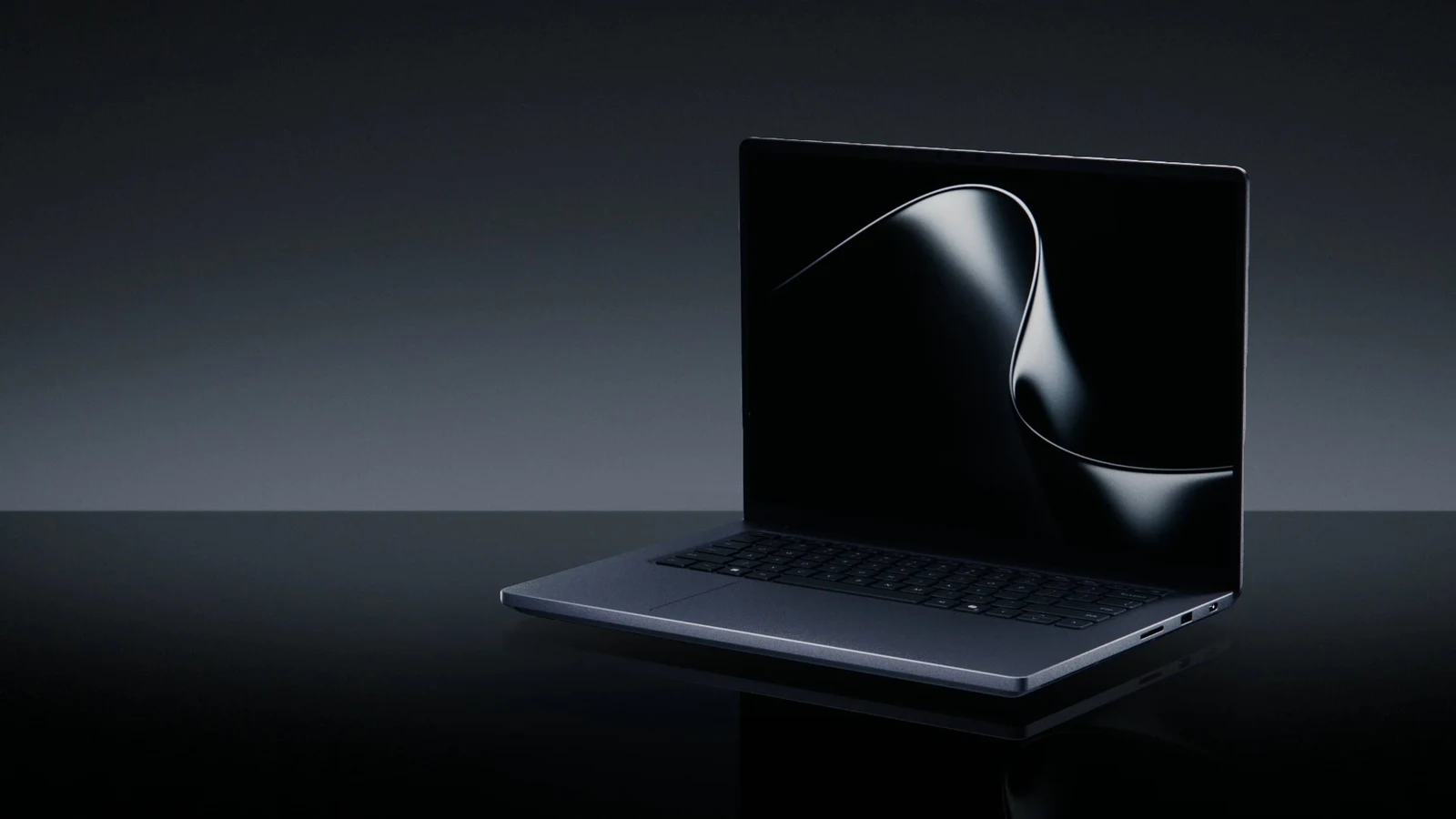
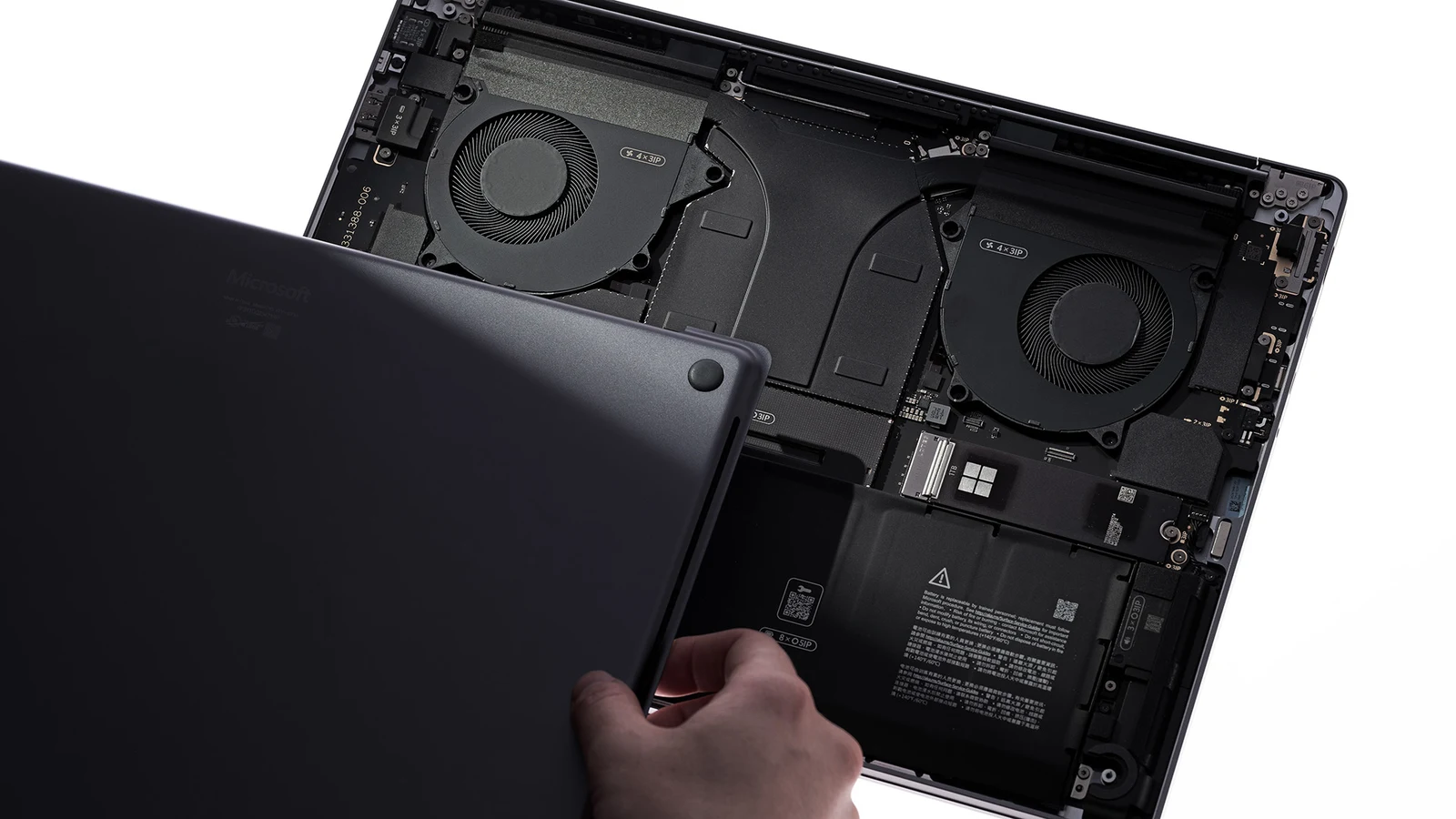
It is a Surface built on NVIDIA’s RTX Spark, which Microsoft’s page describes as an NVIDIA AI, Blackwell RTX graphics and up to a 20-core NVIDIA Grace CPU with up to 128 GB of unified memory. Microsoft calls it its most powerful Surface laptop. Per the page, it has a 15-inch touchscreen at 120 Hz with Dolby Vision IQ and 100% DCI-P3, and a peak HDR brightness of 2,000 nits, which a footnote says is measured over a 10% window with HDR content, with sustained and SDR brightness lower. It has what Microsoft calls its largest precision haptic touchpad, a built-in magnetic USB-C charging port, three USB-C ports, USB-A, HDMI, an SD card reader and a headphone jack, and up to 2 TB of storage. It is a Secured-core PC with Windows Hello and device encryption.
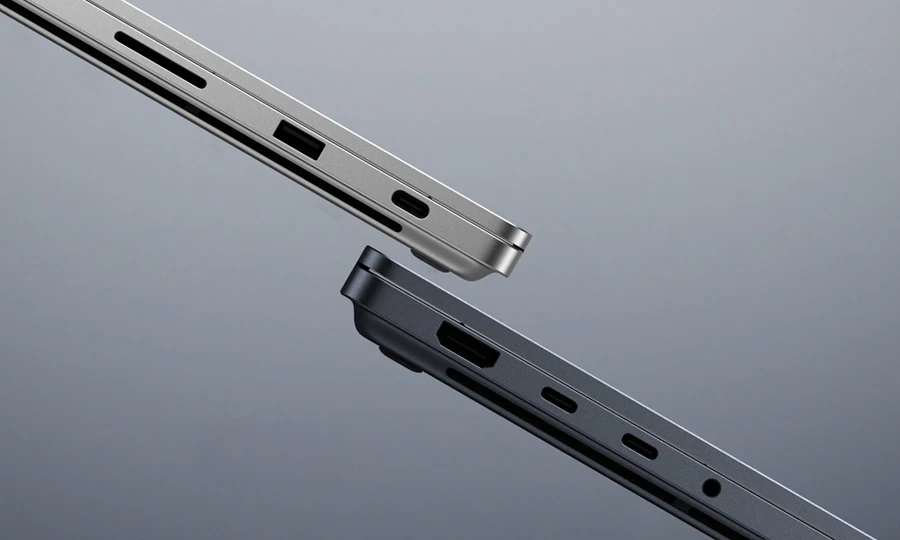
The page also stresses repairability: internal wayfinding, published repair guides, replacement parts and upgradeable storage, with a footnote that replacement components and service options vary by market and over time.
What is the Surface RTX Spark Dev Box?
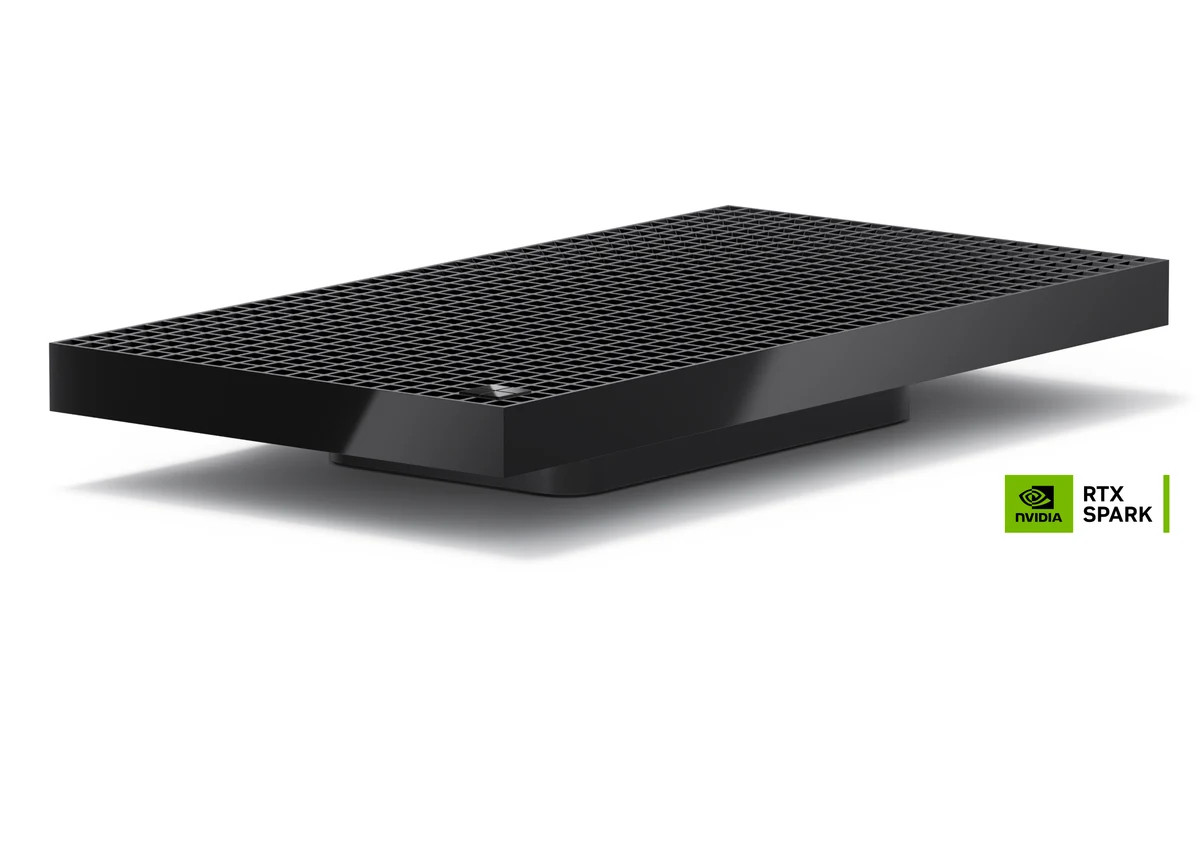
A desk-side mini PC on the same RTX Spark platform, starting at $5,999.99 and shipping to U.S. customers in November, per Microsoft. It ships with a developer-tuned Windows 11 Pro with VS Code, GitHub Copilot CLI, WSL and PowerShell 7 preinstalled, and Microsoft says its body has 1,000 air vents “a nod to its 1,000 teraflops of compute performance”, with a 100W thermal envelope. Ports are two USB-C, USB-A, HDMI, Ethernet and a headphone jack; an external monitor and keyboard are sold separately. Microsoft’s page says it can run coding models up to 120 billion parameters locally, and that intelligent routing in GitHub Copilot can offload up to 20% of workloads using MAI-1-Code-Flash and Nemotron-3-Super. That model name differs from the “MAI Code 1.1 Flash” used in Microsoft’s blog posts, and we could not reconcile the two.
Which other RTX Spark PCs are coming, and when?
Microsoft lists six from partners, all available to pre-order on October 7 and shipping October 16: the ASUS ProArt P16 and P14, the Dell XPS 16 Creator Edition, the HP OmniBook Ultra 16, the Lenovo Yoga 9n 2-in-1 and the MSI Prestige N16 Flip AI+, alongside the Surface Laptop Ultra. Microsoft says RTX Spark dev boxes and mini desktops come “later this year”; NVIDIA says compact desktops go on sale in November. At the top, NVIDIA’s DGX Station for Windows, on the GB300 Grace Blackwell Ultra with 748 GB of coherent memory and up to 20 petaflops of FP4 compute, is previewed with availability “later this year”, with the Dell Pro Precision with GB300 and HP ZGX Fury AI Station named as coming. Microsoft says it can serve 32 or more simultaneous agents as a team “token factory”.
What do the local-AI claims rest on?
Mostly on footnotes you should read. Microsoft says the Laptop Ultra can run models “exceeding 120 billion parameters” locally, and its product page says local agent workflows with models up to 120B, with a footnote basing that on theoretical FP4 TOPS using the sparsity feature. Another footnote says the 128 GB is shared between CPU and GPU and that the maximum the GPU can address is less than the total. The GitHub and Microsoft post on Copilot makes a related point: unified memory does not make all of it available to model weights, because the operating system, applications, the inference runtime and the key-value cache need it too.
On speed, Microsoft says tested RTX Spark PCs beat an Apple MacBook Pro 16-inch with M5 Pro and 64 GB by up to 2.1x on time to first token, 4.3x on AI image generation and 6.2x on AI video generation. The footnotes matter. All tests were run in September 2026 on preproduction RTX Spark PCs with 64 GB. The first-token figure comes from Microsoft-commissioned testing in llama.cpp with a Qwen3.5 27B model (Q4_K_M) and a fixed 8,192-token prompt. The image figure is NVIDIA testing in ComfyUI with FLUX.2 Klein 4B at NVFP4 precision, four sampling steps and a 1024 by 1024 output. The video figure is NVIDIA testing with LTX 2.3 22B at NVFP4, 121 frames at 25 fps and eight steps at 1280 by 720.
On coding models, Microsoft AI built a local version of MAI Code 1.1 Flash, a mixture-of-experts model with 137 billion total and 6.8 billion active parameters. Using mixed-precision quantization of about 3.3 bits per weight and speculative decoding, it shrinks to 53 GB, an 80% reduction from the bfloat16 cloud variant, and uses a peak of 75.5 GB of memory at 256K context. Prompt-processing throughput is 923.5 and 769.8 tokens per second at 64K and 128K context. Microsoft’s table compares three versions:
| Benchmark | MAI Code 1.1 Flash | GPT-OSS 120B (Unsloth GGUF) | MAI Code 1.1 Flash, quantized on device |
|---|---|---|---|
| SWE-Bench Verified (500 tasks) | 72.6% | 32.0% | 70.8% |
| Terminal-Bench 2.1 (89 tasks) | 62.9% | 23.6% | 66.29% |
Microsoft tested on October 5 using a Windows ARM64 llama.cpp CUDA runtime. The comparison row is Unsloth’s GGUF build of GPT-OSS-120B, so it is a quantized build, not necessarily the reference model. The footnote also describes the results as decode throughput for a synthetic code-generation workload, which is a different thing from benchmark scores, and we could not tell how the two relate.
What is “hybrid intelligence” in practice?
Microsoft’s name for splitting work between local and cloud models. GitHub Copilot is adding “Auto” routing that decides whether a task runs on a local model or a cloud one, and a way to pick a local model by hand, either MAI Code 1.1 Flash through Windows ML or an OpenAI-compatible local endpoint. Microsoft’s blog says this reaches the GitHub Copilot app, Copilot CLI and VS Code in experimental preview later in October, and GitHub’s post says by the end of the month. It adds that local inference does not make a session offline. Windows ML also gains llama.cpp support. Microsoft says Copilot features using hybrid intelligence will begin rolling out on Copilot+ PCs over the coming months, with local context, local actions and local models, and says availability will vary. For Copilot’s Home, Code and Autopilot split, see our earlier article. The same event made Microsoft Execution Containers generally available, the sandbox these agents are meant to run in.
What about the Surface Pro 12-inch and Surface Laptop 13-inch?
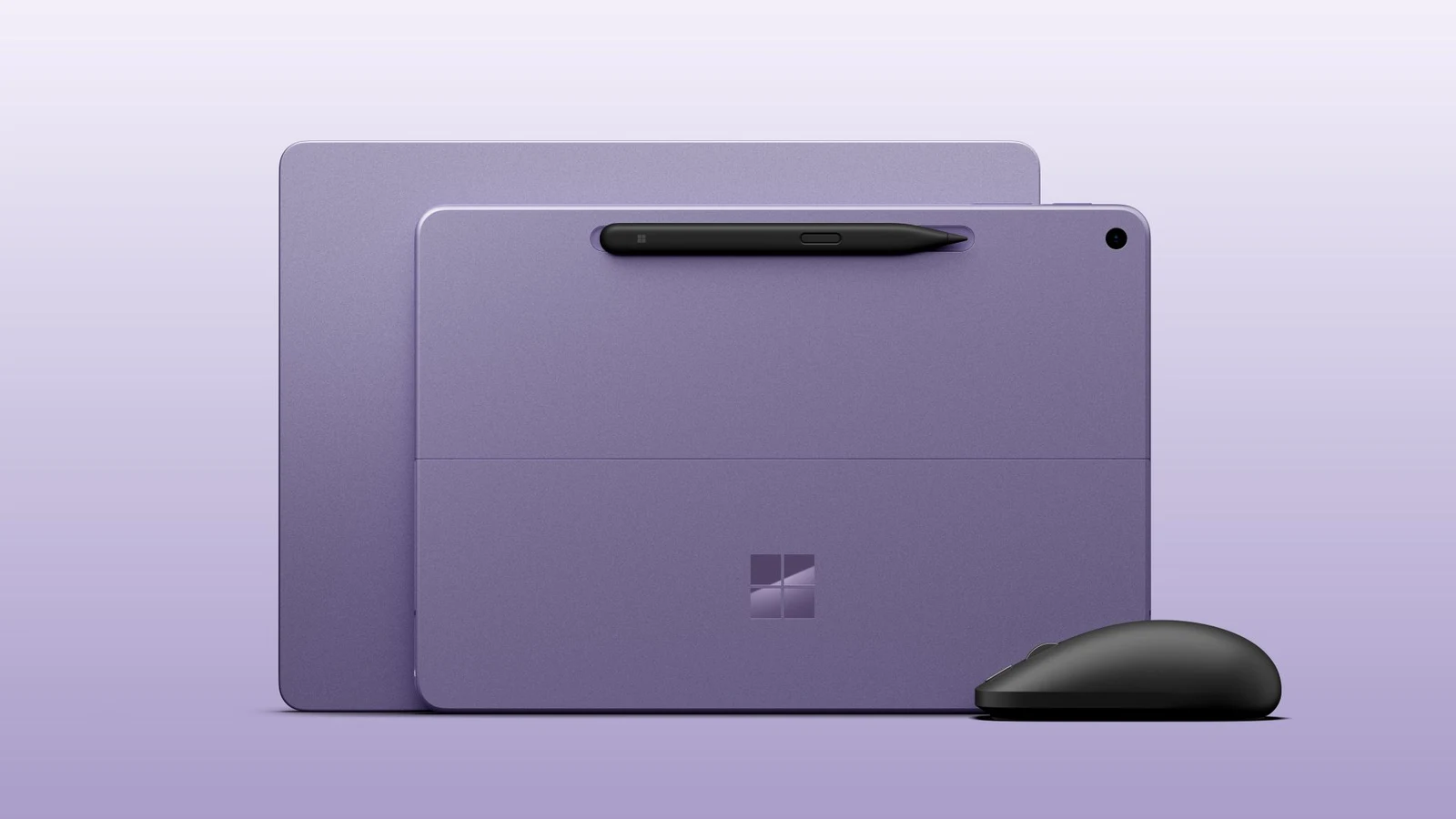
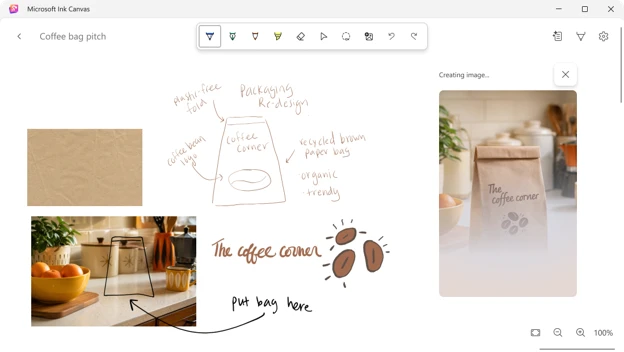
They are the “new hardware” many people mean, announced on September 23 at Snapdragon Summit and on sale October 13 in select markets. The Surface Pro 12-inch starts at $1,149.99 and the Surface Laptop 13-inch at $1,199, both on the Snapdragon X2 Plus. Microsoft says they bring up to 17% faster Office productivity, up to 18% more efficient battery performance, over 60% faster graphics and up to 95% faster local AI inferencing on the NPU, each against the previous generation and based on Microsoft’s September 2026 tests. The displays are 25% brighter at 500 nits, there is a new Black color, and Microsoft quotes 22.5 hours of battery life for the Laptop 13-inch. The Pro 12-inch is fanless, adds an optional 5G configuration for business, and ships with Microsoft Ink Canvas, a pen-first AI sketching experience that comes to other devices through the Microsoft Store on October 13. A haptic Surface Mouse is $79.99.
What to keep in mind
These are our observations:
- Read the footnotes before the headlines. The 120B-model and MacBook figures rest on theoretical FP4 TOPS, 64 GB preproduction units, and specific models and quantization, run by Microsoft or NVIDIA.
- Unified memory is a budget, not a number. Between the OS, apps, runtime and context cache, a 128 GB machine does not give a model 128 GB, and Microsoft says as much in its own posts.
- Price is more than the sticker. The $2,599.99 entry is the base; the configuration Microsoft’s product page does not itemize, such as 128 GB, is reported at $5,899.99 by Windows Central, which makes the range wide.
- Hybrid still means cloud. Copilot’s local routing is an experimental preview, and Microsoft says local inference does not make a session offline.
- Wait for independent reviews. Devices ship October 16 and no reviewer data on sustained performance, thermals or battery is in the sources we read.
Editorial review: October 11, 2026 (AI). Prepared from Microsoft’s Surface Laptop Ultra and Dev Box pages, the Windows Experience Blog and Devices Blog posts and the Microsoft Command Line post (read in full on October 11 through our browser), NVIDIA’s blog post on the event, and Windows Central for the configuration list. We did not handle any device, did not read the full spec sheets or the footnotes beyond those quoted, and the Windows Central configuration details were not verified against a Microsoft page. The cover and device images are Microsoft’s; the price table is ours. “What to keep in mind” is ours.
Sources
- Surface Laptop Ultra (Microsoft Surface) ↗Microsoft
- Surface RTX Spark Dev Box (Microsoft Surface) ↗Microsoft
- Building Windows for hybrid intelligence (Windows Experience Blog, October 7, 2026) ↗Microsoft (Windows Experience Blog)
- Bringing local models and sandboxed tools to Windows and GitHub Copilot (Microsoft Command Line, October 7, 2026) ↗Microsoft and GitHub
- Introducing the next Surface Pro 12-inch and Surface Laptop 13-inch with Snapdragon X2 Plus (Microsoft Devices Blog, September 23, 2026) ↗Microsoft (Devices Blog)
- NVIDIA, Microsoft Kick Off a New Beginning for Windows PCs with RTX Spark and AI Agents (NVIDIA Blog, October 7, 2026) ↗NVIDIA
- Surface Laptop Ultra with RTX Spark preorders are live (Windows Central, October 7, 2026) ↗Windows Central
Created with AI assistance.
Suggest a correction
Found an error or a missing source? Send a private suggestion to the editor. It will be reviewed and will not appear as a public comment. No name, email or account is needed.


Send us a message